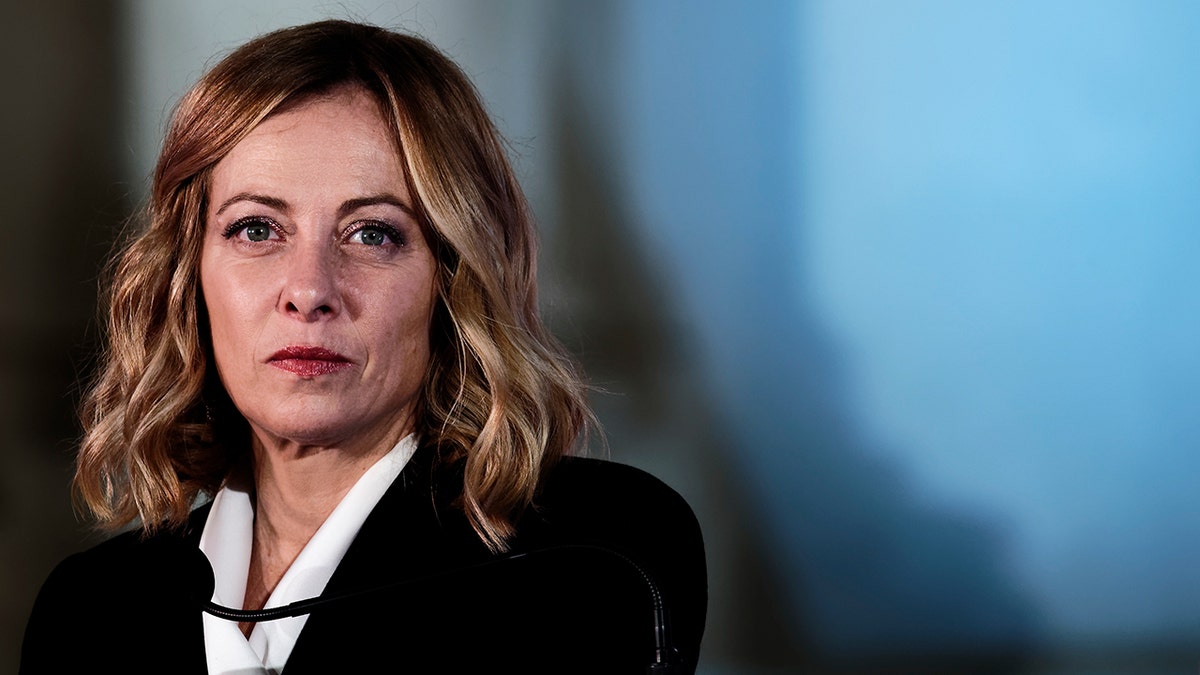
Giorgia Meloni lost today the referedum on the justice reform the Italian Parlament already approved. The law was aimed, among other things, to separate judges’ and prosecutors’ careers, which in Italy follow the same path. A modification in the constitutional prescriptions long desired by Silvio Berlusconi. The referendum was held because Meloni did not have the 2/3 majority requirend to avoid the public consultation.
Heavily politicised, the vote nevertheless won’t lead to the resignation of the head of the government. Visibly saddened, she was quick to confirm she’d respected the people’s vote, but she’d stayed in charge.
—
Was it all wrong? No. It’s not too far from the truth to say that a big portion of the “nos” were because the reform project came from a political party and coalition long accused of being post fascist, and to have an ongoing project to turn the Italian political system towards an authoritarian regime. Meloni was never able to get herself free from these allegations. She also mistakenly decided to go alone with her coalition, without even trying to involve the oppositions. Another point must be stressed: the text came from the government, with the Parliament just called to approve.
Nevertheless, some of the provisions of the constitutional modification touched a nerve.
If Meloni were the statewoman she wants to be (and she’s never been), she’d take the chance to at least provoke a debate involving the other parties to amend the text and get to a shared version. But she’ll probably won’t do that.
That’s how things tipically work in Italy: every time starting from scratch, an everlasting stall which exposes the country to subtle authoritatian fascination.
If Meloni had won the vote, she’d been launched towards a second term, with less interventions from the judges. A perfect plan: what happened Trump by chance, Meloni could have reached intentionally. This way, things have gotten complicated. And this might be the end of her dream not only to be the first woman in Palazzo Chigi, but also the first to serve two mandates.

 Journalism, media and points of view