cronaca, giornalismo, politica

Abbuffate all’italiana

Galeotte furono le vongole sgusciate e chi le cucinò. Altro che Paolo e Francesca: settecento anni dopo Dante, al posto dell’eterea pulzella c’è finito il tentacolare oste del “Cefalù”.

L’intervista di Paolo Mieli rilasciata al Corriere è tutta da gustare, ma difficile da associare a un direttore. Balbetta, si giustifica, distingue (“me ne voleva parlare, ma gli dissi di non dirmi il nome”, “lui parlava ma io mi limitavo a stare zitto e pensare ai fatti miei”, “figuriamoci se con tutte le cose che ho da fare potevo dare retta a lui”, cito a memoria, ma il senso è questo). E poi le vongole. Croce e delizia. Si perse la primogenitura per un piatto di lenticchie, si può ben rischiare lo status e quell’aplomb serioso da storico per un piatto di spaghetti.

Perché Mieli frequentava il ristorante del faccendiere Lavitola? Per i gustosi mitili, racconta. “Nessun altro me li faceva trovare sgusciati nel piatto”, ricorda.

Il direttorissimo narra delle pericolose battaglie con l’amato spaghetto. Nella tensione della tenzone, tra tovaglioli macchiati e camicie con schizzi di sugo, non si tratta di un dettaglio da poco. Tanto cruenta deve essere stata la pugna che, fino all’epifania di Lavitola, è possibile che non gli sia mai venuto in mente di chiedere agli chef il prezioso favore di fargli trovare un piatto solo da gustare.

E che favore.

Se dovessero sgusciare tutte le vongole che cucinano, i ristoranti di pesce dovrebbero assumere una persona ad hoc, forse chiudere.

E poi. “Arrivavo in taxi, ma al ritorno Lavitola mi accompagnava a casa”. Ah.

Un trattamento da re: sarei curioso, ora, di vedere il conto.

Purtroppo non finisce qui.

Il teatro dell’assurdo della vicenda Ranucci prosegue passando dalle mangerecce dichiarazioni di Mieli a quelle di Alessandro D’amato, caposervizio di Open che accettò di lavorare a una mailing list per lanciare la candidatura del giornalista di Report. Committente, Lavitola. D’Amato, esploso il bubbone, decide di raccontare tutto sul suo giornale. Per aggiungere particolari, spiega. Carino. Sembra però più un “mettiamo le mani avanti che non si sa mai”.

Poi ne parla anche col Corriere. Che gli chiede: Ranucci era a conoscenza del progetto elettorale? Riposta: non l’ho mai saputo. Ah.

Ora, mentre Mieli al Cefalù ci andava in taxi, mi viene il dubbio che D’Amato no. Forse a Open non pagano bene i giornalisti, se devono cacciarsi in guai del genere, con personaggi come “Valterino” (ipse dixit) per arrivare a fine mese.

Però la pena per la situazione del giornalismo italiano, la consapevolezza che spesso si fa fatica a campare (e fanno fatica anche quelli bravi davvero, non solo chi ha sbagliato mestiere) non esime del tutto uno che di professione fa il cronista dal fare attenzione.

Ma non fidatevi del mio riassunto.

Andate a leggervi gli originali e fatevi la vostra idea, oltre a quattro risate. Tanto, a questo punto, se mi diceste che non avete fiducia nella stampa capirei. Abbondantemente. Buono spaghetto con le vongole a tutti.
Standard
esteri, medio oriente, politica, reportage

Reportage / Tra Israele e West Bank

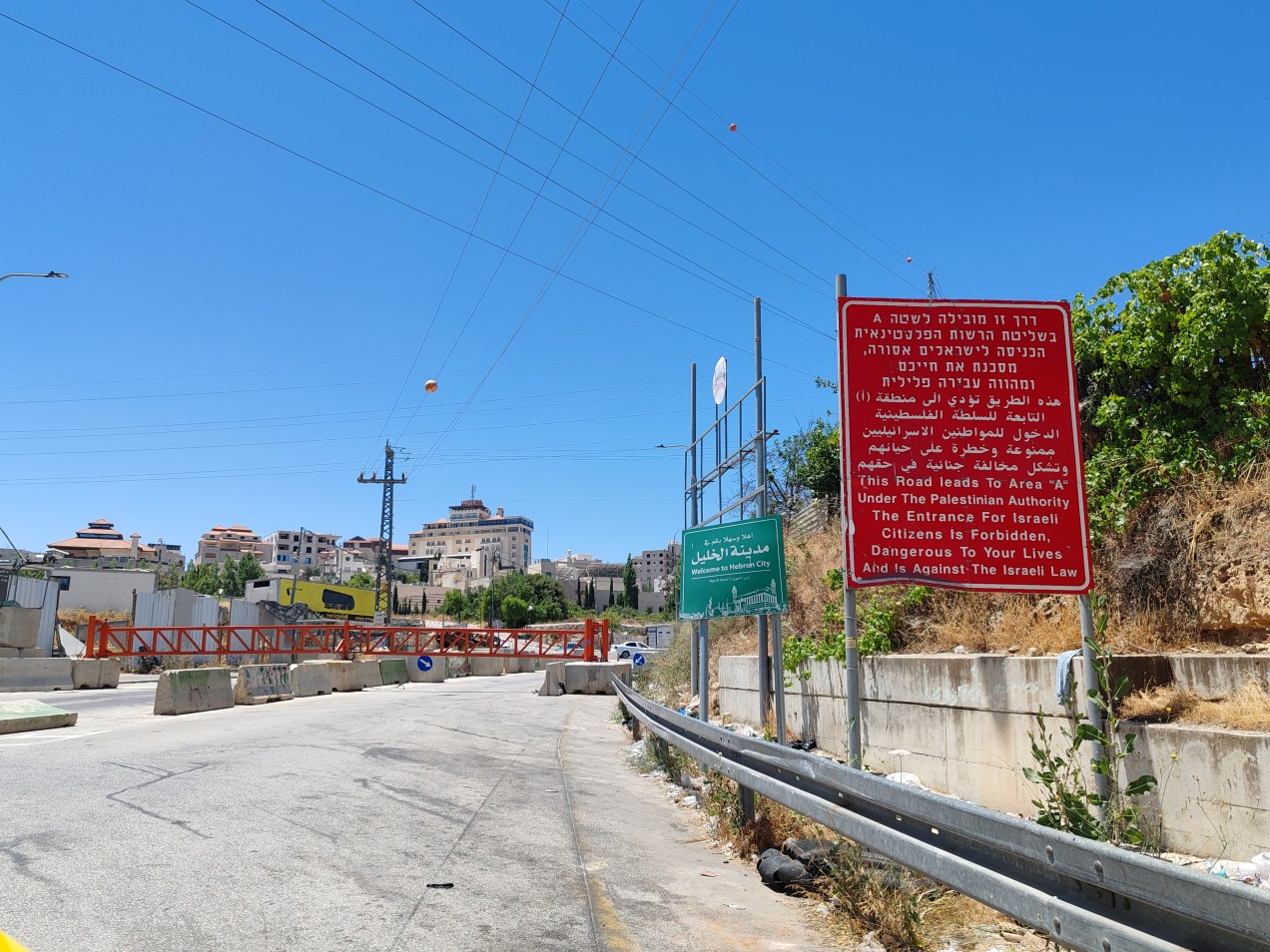
Dieci giorni tra Israele e West Bank possono essere utili a farsi un’idea più realistica del grado di complessità di queste terre tormentate. Difficile sintetizzare i punti di vista – spesso, ma non sempre, contrapposti – incontrati. Difficile anche scrollarsi di dosso il mal di testa e la voglia di chiudere gli occhi quando si torna a casa la sera dopo aver avvicinato il dolore di entrambi i popoli.

Molti di quanti abitano in Terrasanta non hanno mai varcato i confini dei due Stati (considero tale anche i Territori) , e sanno poco o nulla di cosa c’è dall’altra parte: fucili puntati, pistole, posti di blocco, fermate dell’autobus blindate, cancelli chiusi, passaporti, e code che possono diventare infinite, e fermano non solo il flusso umano, ma anche quello della conoscenza di un altro che, così, diventa alieno pur trovandosi solo a pochi chilometri di distanza.

Al cronista, invece, è concesso – con qualche difficoltà – di attraversare i confini; e dunque il suo ruolo è (dovrebbe essere) quello di provare a portare qualche elemento di oggettività in un dibattito sempre più polarizzato: anche perché quanto arriva all’estero sono quasi sempre le posizioni più estreme.

Personalmente, sono tornato da questo viaggio con più domande che risposte. E spero che la visione di questo documento ne ponga qualcuna anche al pubblico. Tra le poche certezze che mi porto dietro, il fatto che la contabilità dei morti e del dolore non serva più a nulla: troppe le vittime, troppe le madri in lacrime, troppa la violenza. E’ necessario tirare una linea. E c’è un altro punto: la pace dipende dai leader. La popolazione seguirà. Ma i governanti di oggi sono cinici guerrafondai, più attenti al proprio particulare interesse che a quello della propria gente. La popolazione è manipolabile, soprattutto nell’era dei social network, e, come ha detto qualcuno in un’intervista che ho letto di recente, un abitante di Bergamo ha visto più immagini di Gaza di un israeliano medio.

Condividerò qui molto di quello che ho visto, con i link a YouTube Instagram (dove ho caricato i video e le foto) e agli articoli. Buona lettura.

VIDEO

Reportage: il quadro generale tra Israele e West Bank. Una pace ancora lontana (guarda su YouTube)

La disperazione del Masafer Yatta, la terra di No other land (guarda su YouTube)

Minacce e abusi sulla popolazione del Masafer Yatta (guarda su YouTube)

Una serata coi ventenni del Masafer Yatta (guarda su YouTube)

Standard
politica

Giorgia Meloni and Donald Trump, an Italian-American History X

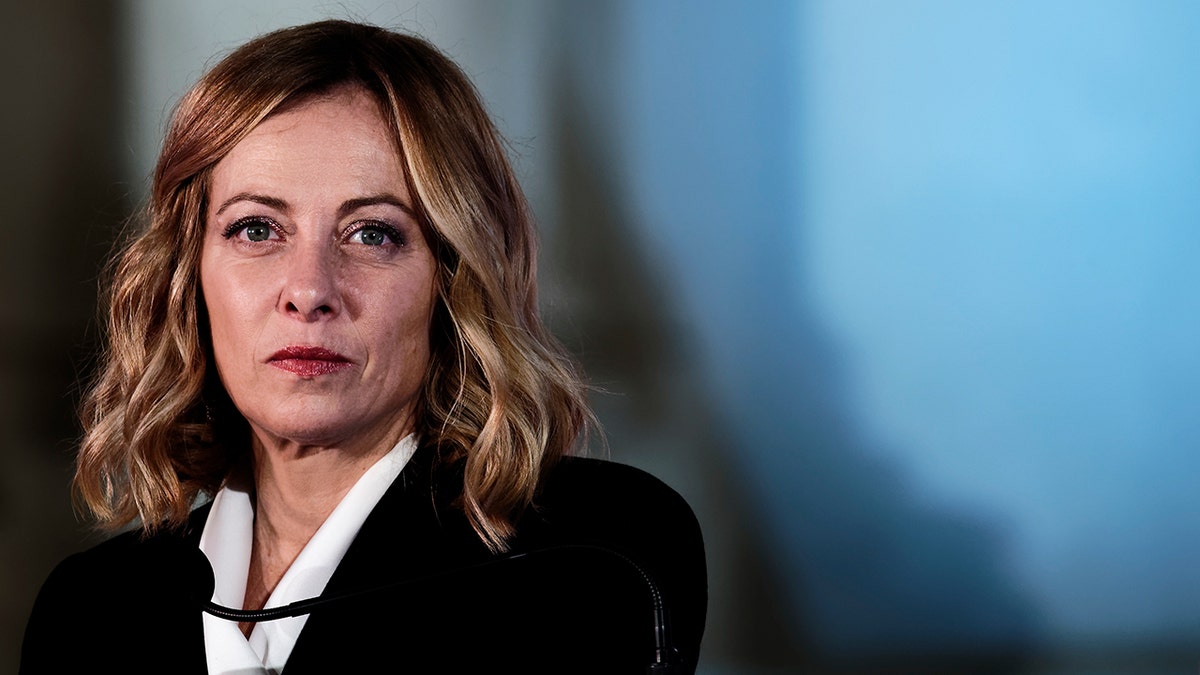
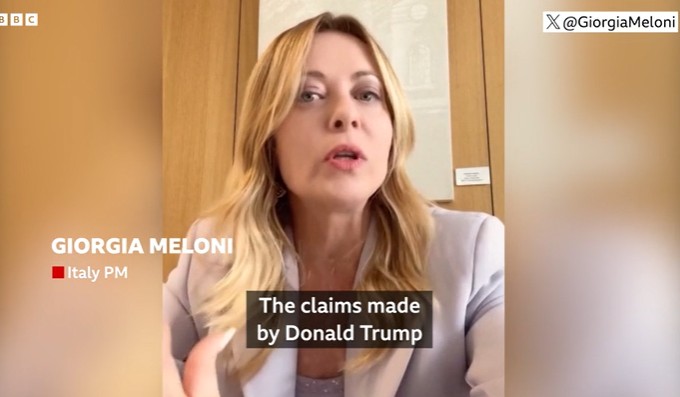
Giorgia Meloni and Donald Trump, an Italian-American History X. The title of the movie comes to mind when thinking about the “special relationship” between the two. Not because of the topic: the film was about racism. But due to the title itself, describing in single line the life of a guy like many who threw away his life.

The facts: Meloni and Trump had a strict relationship in the first phases of Trump’s presidency. The Italian prime minister used to talk widely about her ability to influence the tycoon; she thought she could use the guy as the Trojan horse to sit at the table of international politics.

But, in the last months, the dialogue between the two got tense. Until the G7 in Evian, where she was photographed chatting with the commander in chief. Her satisfaction was evident.

What she later discovered is that Trump is not a safe bet: after a few hours, he told the media that she asked for a photo opportunity.
I personally don’t think she actually begged for it; but, Trump being Trump, he put it bluntly: she was seeking visibility. And that’s only human.

Standard
politica

Why Silvia Salis can’t be Meloni’s opponent

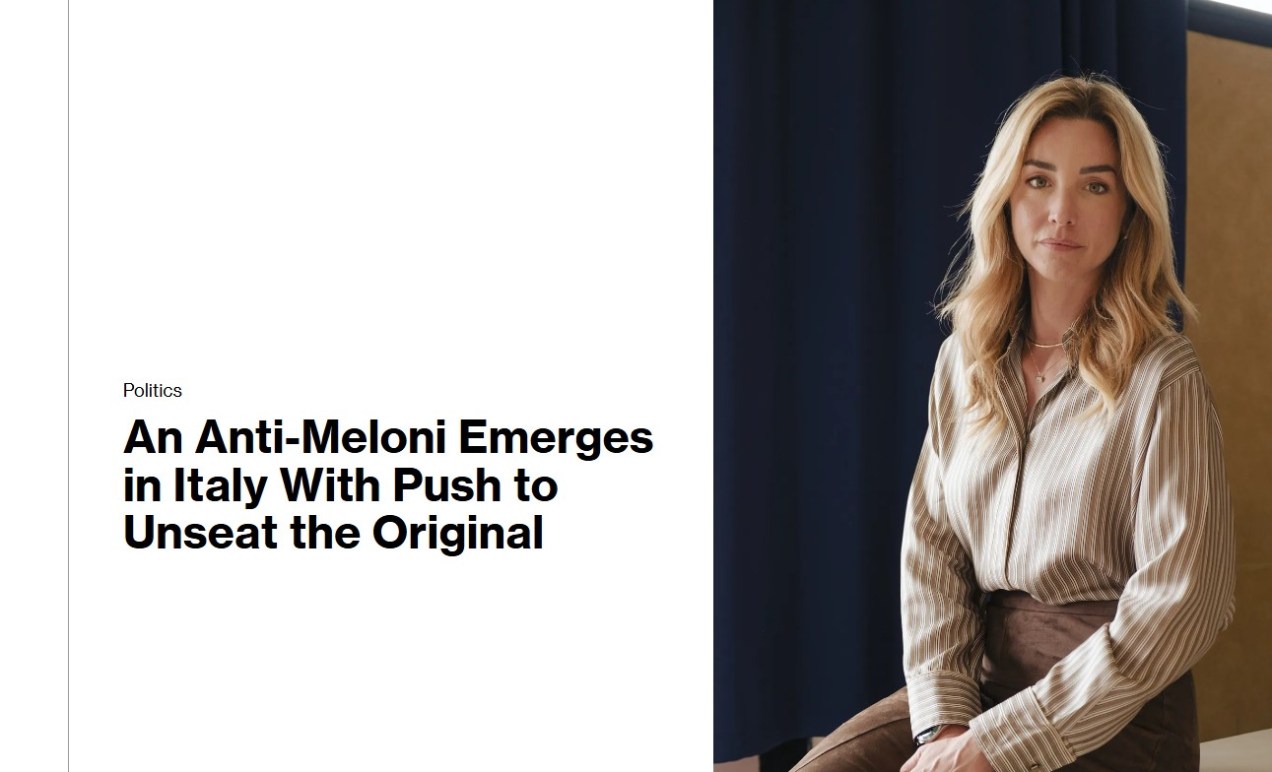
So now Italy would deserve an inexperienced head of government just because Giorgia Meloni has been in charge for four years. Bloomberg just crowned Silvia Salis, mayor of Genoa, as anti-Meloni. That’s, with all due respect, close to ridiculous.

Salis (40 years old, center-left) is simply not the right person for the job. She might be able to win elections, but I’m not sure – to say the least – whether she can run a G7 country. She’s not experienced. Nobody knows what she thinks. And, moreover, she’s backed by Matteo Renzi, the most Machiavellic politician Italy has had since ages, doing business with people like Mohamed Bin Salman and floating from left to right at his pleasure. With his 2%, he barely makes it to Parliament; but, nevertheless, ends being decisive all the times. Salis might be his horse to remain in the game, and that wouldn’t be good for the country.

Italy needs strong reforms (justice, labor market, healthcare, above all) which might only be pursued by a leader with knowledge of the matters and of the deep state, whose interest is often not changing anything. Meloni herself has a good and long cursus honorum: young Salis would be manipulated by her mentors, if not by the apparatus.

Italy should not resign itself to have an inexperienced leader in charge. The centre-left should build, instead, a strong candidature alternative to Meloni. Otherwise, we’ll be facing another five years of nothing.

Standard
politica

What Giorgia Meloni should do after losing the referendum

Giorgia Meloni lost today the referedum on the justice reform the Italian Parlament already approved. The law was aimed, among other things, to separate judges’ and prosecutors’ careers, which in Italy follow the same path. A modification in the constitutional prescriptions long desired by Silvio Berlusconi. The referendum was held because Meloni did not have the 2/3 majority requirend to avoid the public consultation.
Heavily politicised, the vote nevertheless won’t lead to the resignation of the head of the government. Visibly saddened, she was quick to confirm she’d respected the people’s vote, but she’d stayed in charge.
—
Was it all wrong? No. It’s not too far from the truth to say that a big portion of the “nos” were because the reform project came from a political party and coalition long accused of being post fascist, and to have an ongoing project to turn the Italian political system towards an authoritarian regime. Meloni was never able to get herself free from these allegations. She also mistakenly decided to go alone with her coalition, without even trying to involve the oppositions. Another point must be stressed: the text came from the government, with the Parliament just called to approve.
Nevertheless, some of the provisions of the constitutional modification touched a nerve.
If Meloni were the statewoman she wants to be (and she’s never been), she’d take the chance to at least provoke a debate involving the other parties to amend the text and get to a shared version. But she’ll probably won’t do that.
That’s how things tipically work in Italy: every time starting from scratch, an everlasting stall which exposes the country to subtle authoritatian fascination.
If Meloni had won the vote, she’d been launched towards a second term, with less interventions from the judges. A perfect plan: what happened Trump by chance, Meloni could have reached intentionally. This way, things have gotten complicated. And this might be the end of her dream not only to be the first woman in Palazzo Chigi, but also the first to serve two mandates.
Standard
politica

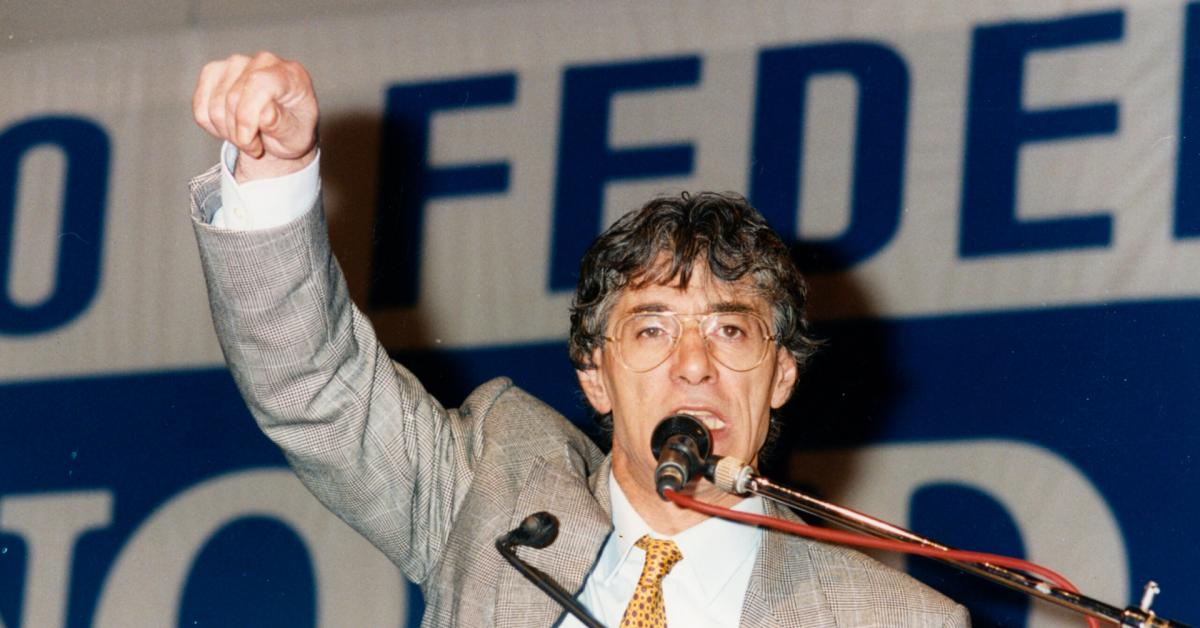
L’emozione per la morte di Bossi spiegata a chi non c’era negli anni Ottanta al Nord

[testo con lieve editing tratto da un post pubblicato su Facebook il 21 marzo 2026]

Nel marzo 2012 sono andato, da cronista, a una manifestazione della Lega. Per le vie di Monza sfilava il corteo dei militanti e dei simpatizzanti. Non ricordo perché fosse stata convocata. Era la prima volta che mi ci trovavo per lavoro, e volli seguirla dall’inizio alla fine. Non sapevo che sarebbe stata una delle ultime: di lì a qualche settimana sarebbe scoppiata la storiaccia del cerchio magico, e Umberto Bossi fatto fuori dal partito che aveva fondato. Promoveatur ut amoveatur, dicevano a Roma. Si promuove (a presidente eterno, nel suo caso) per rimuovere chi è troppo ingombrante.

Ieri sera Umberto Bossi è morto. Tanti spendono parole di stima, anche chi gli era stato avversario. Posso provare a rispondere a chi si chiede perché.

Bossi è stato, per i padani, qualcosa di molto vicino a quello che Berlinguer fu per i comunisti. Padani che, peraltro, inventò lui, assieme a qualche appassionato di storia locale. Un semidio, un modello.

La potenza di una manifestazione della Lega stava nei simboli che era riuscito a creare, e di cui era riuscito ad appropriarsi. Il “Sole delle Alpi”, il Va’ pensiero verdiano, aria diffusa a tutto volume dagli altoparlanti da quattro soldi nei cortei, ma che era in grado di incutere una solennità che tracimava nel terrore con la sua imponenza. Altro che il punk incazzato ai cortei dei centri sociali: nulla come l’opera scuote l’animo.

Anni prima, era il 2003, mi trovai a passare, per caso, con un amico per il centro di Monza durante un altro corteo leghista. Ero un giovane studente di scienze politiche di ritorno da Milano.

Sulla strada incontrammo una quarantenne nordafricana, Khadija, che aspettava il pullman per Lissone (il paese accanto) mentre i manifestanti si avvicinavano. Finì che la portammo a casa noi. La poverina non aveva capito il contesto, e noi – da parte nostra – avemmo paura di lasciarla sola, mano a mano che il volume delle note di Verdi aumentava e centinaia di camicie verdi, ringalluzzite dal numero, si facevano più vicine. La piazza incute terrore nel singolo che non le appartiene.

Khadija ci ringraziò come poté, con una tazza di tè, confusa, e cercando di capire che cosa avessimo visto che a lei sfuggiva. Le spiegammo che quel corteo era contro gli immigrati, cioè contro quelli come lei e che, insomma, non si sa mai. Se non altro, volemmo evitarle l’esperienza di essere insultata. A noi tutto questo era chiaro, ma lei, non parlando bene l’italiano, si era persa il dettaglio. E aspettava tranquilla la corriera.

A Bossi va certo reso l’onore delle armi, ma bisogna ricordare che l’uomo fu anche questo.

Sul territorio, le ronde dei leghisti negli anni Novanta e Duemila facevano paura. Faceva paura anche (forse soprattutto) leggerne sul giornale, perché legittimavano la minaccia, e promettevano la violenza. Anche quella verbale. E l’aggressività non risparmiava i bambini.

Un figlio di immigrati meridionali, come me, si sentiva facilmente dare del terrone a scuola negli anni Ottanta, senza capire di che cosa, esattamente, si parlasse. Un po’ come Khadija. La dignità politica, a questo becerume, l’aveva data Bossi. In quegli anni, dodicenni imberbi si professavano leghisti scimmiottando i padri e il leader, le cui gesta vedevano in televisione. I fratelli più grandi, in qualche caso beoni che a malapena avrebbero avuto cittadinanza in un bar, si sentirono rappresentati in Parlamento e poterono alzare la voce fregandosene di darsi un contegno.

Bossi fu anche questo. Eppure, nonostante tutto, nonostante la bestialità delle sue uscite, non fu solo questo.

Fu, per esempio, il primo a parlare apertamente delle due Italie (che sono una triste realtà) e del malaffare romano. Della necessità per il Sud di assumersi la responsabilità del proprio fallimento senza piangere sempre miseria. Del buono che c’è nel decentralizzare i poteri quando possibile e compatibile con il contesto.

E, oltre l’apparenza, mi pare aver sempre avuto un certo cuore, e la schiena piuttosto dritta.

Lasciatemelo dire: tutto il contrario di chi venne dopo. Il riferimento è a quella macchietta da social che risponde al nome di Matteo Salvini.

Poche immagini per rendere l’idea. Bossi non sarebbe mai andato in televisione a sgranare il rosario durante il Covid per raccattare quattro voti. Non avrebbe mai citofonato in una casa privata chiedendo, con aria da chierichetto: scusi, lei spaccia? Il Bossi degli anni Ottanta me lo immagino prenderlo a calci nel culo, lo spacciatore. In canottiera, magari, e assieme ai suoi compari. E farsi pure qualche giorno in guardina, la migliore pubblicità per la sua base.

Quello che ancora chiamiamo Senatùr (ma ha passato più tempo alla Camera) è un altro pezzo di storia dell’Italia che se ne va. Forse non la parte migliore, ma la sua memoria resterà, in qualche zona del paese più che altrove.

Di Salvini, invece, e della Lega di oggi, non rimarrà nulla. Forse è per questo che la morte del fondatore varesino dei lumbard ha generato emozione anche in chi, da vivo, ne aveva condiviso poco o nulla. 

Standard
economia, esteri, politica, unione europea

EU and India toward an historic agreement. Thank Trump for it

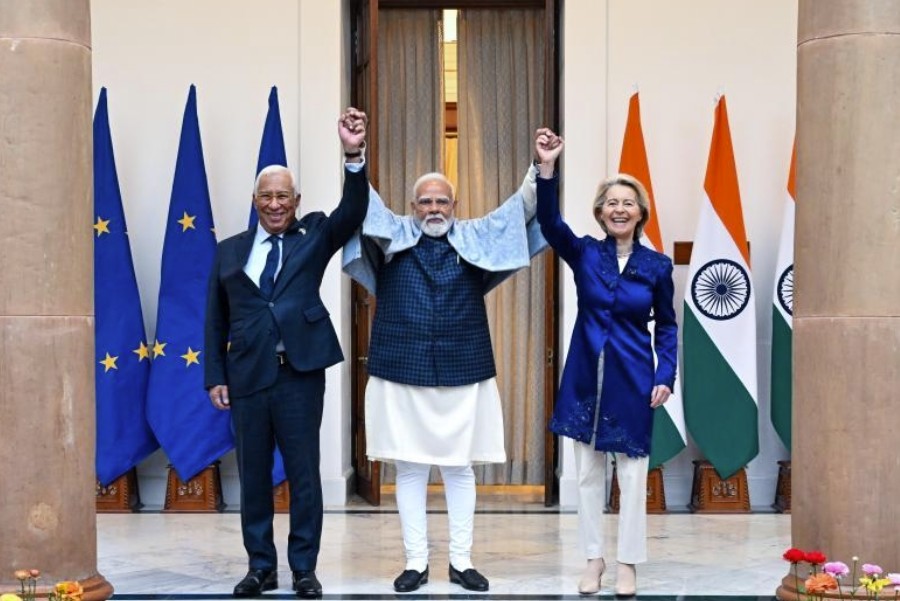
The EU and India concluded negotiations today on one of the most ambitious free trade agreements ever for both. All along the economic aspects, renewed collaboration is expected on key topics, like security (even cybersec) and defence, classified information, climate, disaster management, startups.

It doensn’t look the timing is casual, obviously.

Donald Trump openly menaced the EU with tariffs from the United States in the last months while the agreement will cut them for a variety of goods exchanged between the Old continent and India. And when it comes to defence, there’s not much to add to the bullying over Greenland, counterbalanced by the search of new alliances.

Some figures. The EU and India already trade over €180 billion worth of goods and services per year, supporting close to 800,000 EU jobs, as referred by Bruxelles. The deal is expected to double EU goods exports to India by 2032 by eliminating or reducing tariffs in value of 96.6% of EU goods exports to India. Overall, the tariff reductions will save around €4 billion per year in duties on European products.

Bruxelles is reacting in a polite way, as usual. But it’s reacting, it’s doing it fastly, and that’s important. Please note that negotiations started in 2007, and were suspended in 2013 (in the same period, a diplomatic crisis involved 2 Italian troops accused of killing a fisherman). At the time, India was looking for a role on the international arena, to accreditate itself as a mid sized power, and wat way too assertive, so to speak.

Things have changed, in the meantime, and talks have been relaunched in 2022, accelerating last October. The country now is the most populous in the world, and the 4th largest economy. Not only. It hasn’t to struggle with demographic issues as China, burdened by an older population and the outcomes of the one-child policy of the 20th century. Moreover, the upper classes speaks English and uses Latin alphabet; it’s a democracy and its legal system is understandable and modelled on the British, and there’s still a deep tie with London.

In brief, India might be one of the countries to monitor in the next years.

It also has problems: a variety of languages, poverty, internal conflicts between Induists (largely dominant) and Muslims. Narendra Modi, the prime minister, can be tough in his repression. But Delhi’s constitution and institutions have proved resilient over time.

A few would have predicted this only 10 years ago.

Now the agreement needs to be finalized. On the EU side, the negotiated draft texts will be published shortly. The texts will go through legal revision and translation into all official EU languages. The Commission will then put forward its proposal to the Council for the signature and conclusion of the agreement. Once adopted by the Council, the EU and India can sign the agreements. Following the signature, the agreement requires the European Parliament’s consent, and the Council’s decision on conclusion for it to enter into force. Once India also ratifies the Agreement, it can enter into force.

It’s going to take time. But that of today is a good base (more info here). In the press release Trump is never mentioned, but is clearly present when Ursula von der Leyen comments “We have sent a signal to the world that rules-based cooperation still delivers great outcomes”. How will he react?

This deal might be considered a sign of hope in a future in which bullying lets diplomacy go ahead. Peace has been always built on trades – and even though globalization had plenty of excesses and lead us to deep inequalities, the world needs to correct its flaws while maintaing its most positive impact – a stable world.

Standard
esteri, politica

It’s a long way to the top (for the Global south)

There’s another remarkable aspect in the mess provided by Trump this last year to the world. That, after 12 months since the commander in chief had taken office, the West finally seems to have pulled off the mask.

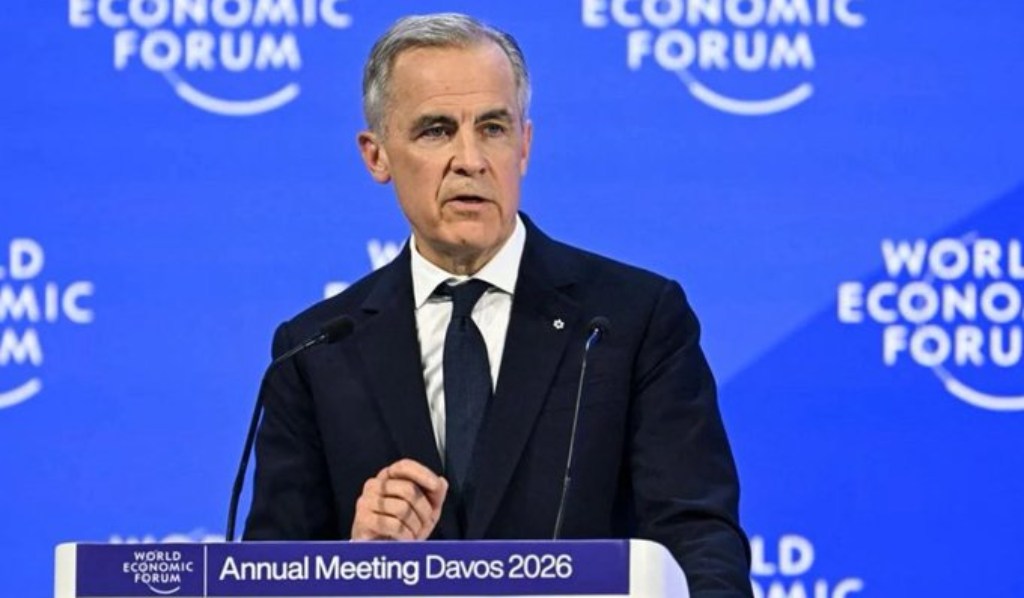
One remarkable example – and the first, maybe, at this level – was the unexpected, surprising speech given by Canadian prime minister Mark Carney at the World Economic Forum in Davos, a ski resort in Switzerland.

Said Carney: “[…]We knew the story of the international rules-based order was partially false. That the strongest would exempt themselves when convenient. That trade rules were enforced asymmetrically. And we knew that international law applied with varying rigour depending on the identity of the accused or the victim”. “This fiction was useful. And American hegemony, in particular, helped provide public goods: open sea lanes, a stable financial system, collective security and support for frameworks for resolving disputes”.

To conclude: “Let me be direct: We are in the midst of a rupture, not a transition. Over the past two decades, a series of crises in finance, health, energy and geopolitics have laid bare the risks of extreme global integration. But more recently, great powers have begun using economic integration as weapons. Tariffs as leverage. Financial infrastructure as coercion. Supply chains as vulnerabilities to be exploited. You cannot ‘live within the lie’ of mutual benefit through integration when integration becomes the source of your subordination”. Welcome to the era of geo-economics.

—

That’s, more or less, what antagonist movement keep saying since decades; but never in life I would’ve thought I’d be seeing such a speech pronounced by a Western leader in front of a bunch of rich capitalists and head of states.

Canada is under threat by the US, obviously; and looking for allies among middle-sized powers, as Carney remarked. But, still, it looks sort of a tipping point.

There’s more.

This morning I read an opinion piece on the BBC website authored by senior correspondent Allan Little. The journalist recalls a lecture he gave to the young students of Columbia University in New York just months after 9/11 2001.

One of them, a Pakistani just gotten to the US, took him apart during a coffee break for a chat. He paralleled the US to the Roman Empire.

“If you are lucky enough to live within the walls of the Imperial Citadel, which is to say here in the US”- the aspiring journalist stated with lucidity – “you experience American power as something benign. It protects you and your property. It bestows freedom by upholding the rule of law. It is accountable to the people through democratic institutions.

“But if, like me, you live on the Barbarian fringes of Empire, you experience American power as something quite different. It can do anything to you, with impunity… And you can’t stop it or hold it to account”.

Impressive.

To corroborate these words, Little then draws a picture of all the interventions in the so called Global South performed by Washington over the last couple of centuries. And there’s not much to be proud, apart from the intervention in WW1 and 2.  

He concludes he’d been wrong at the time in describing the White House’s role to the students gathered to listen to him.

–

Same thing here: this is the BBC, British public television, not a socialist party house organ. Whilst provided with an enviable reputation as being independent, I would’ve never actually thought that the broadcaster would so openly admitted what the West – UK included – did over time to the rest of the world (well, the article didn’t mention the Iraqi invasion, but nobody’s perfect). There’s an explanation:  Britain endend up being another of Trump’s targets for its defence on Greenland, and – as Canada – is looking for allies. But, nevertheless, this is sign of the times.

—

None of this would have happened without the New York tycoon’s turned president impulsive actions and excessive beaviour. Is it a sign of hope for the so called Global South? Well, in a way.

On the other hand, though, all this debate about the Arctic made me think that the world is still focused on the Northern emisphere. We’re getting closer than ever to a conflict over a piece of land and  ship routes situated in the same part of the world that for ages dominated, colonized and exploited the rest of the globe. Even China recently described itself as an “Arctic power”, and is buying icebreakers.

Less than a year ago I was speaking to a top executive of a big German electronic brand. Asked which areas worldwide were supposed to make a jump forward, economically speaking and based on their projections, he answered – quite obviously – : South-east Asia. I replied: what about Africa? And South America? “No way”, he did.

The West might be pulling off the the mask. But, to quote the AC/DC, a rock band, “it’s a long way to top if you wanna rock’n roll”.

(photo: BBC website)

Standard
esteri, politica

The speech that could define an era

This given by Mark Carvey, Canadian prime minister, in Davos could be an era-defining speech. It’s worth a read.

The West forgave a lot to the US over the course of the years in change for military protection and economic benefits. At the same time, it pitctured itself as the “free world” – a definition which largely exceeds its merits -.

Carvey’s speech (not certainly a communist) pulled off the mask.

“You cannot ‘live within the lie’ of mutual benefit through integration when integration becomes the source of your subordination”, he admitted.

“And there’s another truth: if great powers abandon even the pretense of rules and values for the unhindered pursuit of their power and interests, the gains from “transactionalism” will become harder to replicate. Hegemons cannot continually monetize their relationships”.

Hence, he basically advocates for middle powers to seek other allies, apart from the Us.

Do yourself a favor and go read the original. You can find it here.

Standard
esteri, politica

Venezuela, il punto di vista di un’attivista espatriata in Italia

Nei giorni scorsi ho pubblicato un’intervista a Oscar Castillo, avvocato venezuelano in Italia. Castillo offriva il suo punto di vista sul blitz di Trump e la politica venezuelana.

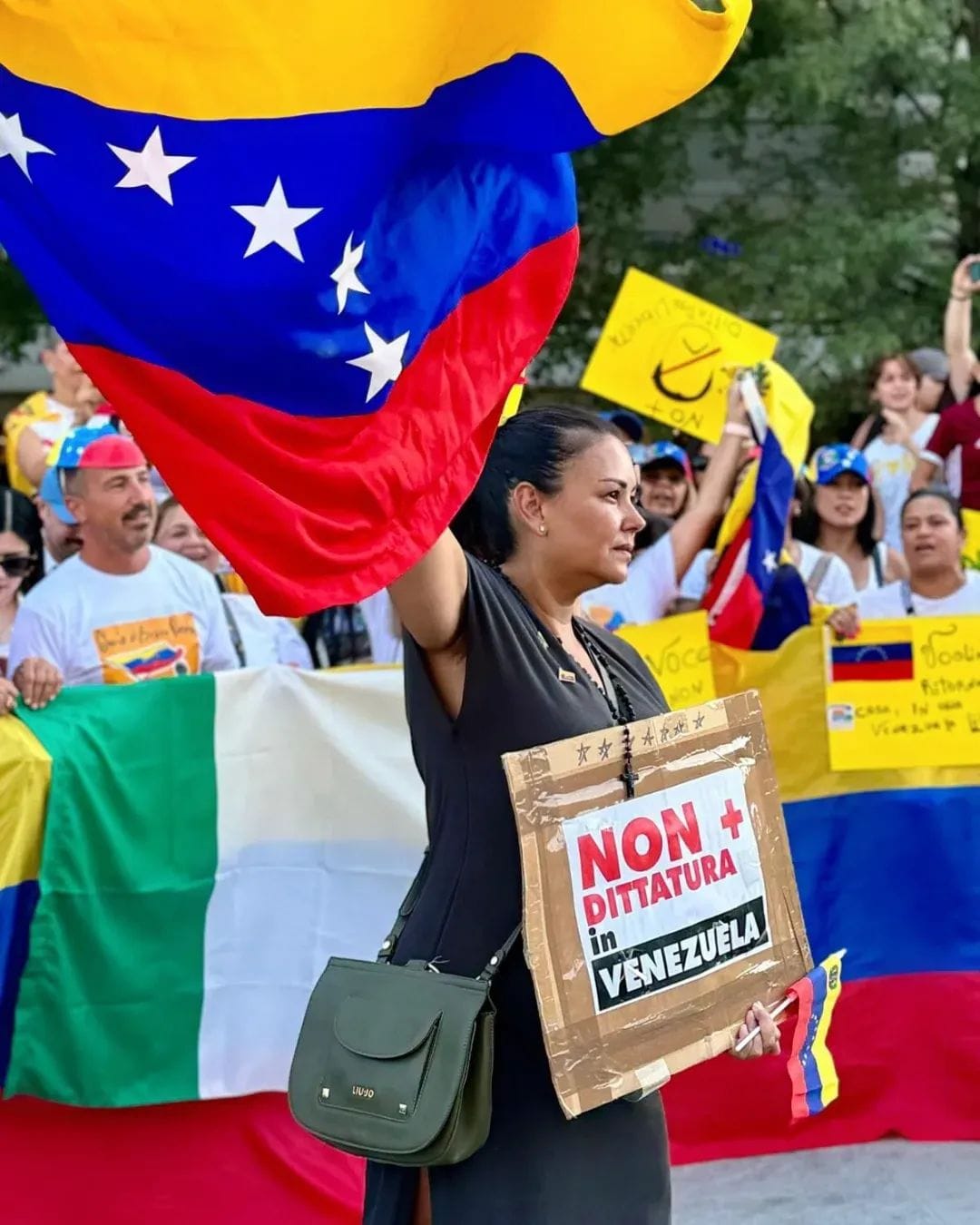
Oggi aggiungo la voce di Mercedes Vásquez, presidente dell’associazione Insieme per il Venezuela. Laureata in scienze internazionali e diplomatiche, Vásquez è in Italia da 25 anni e lavora come commerciale.

“Per noi venezuelani, l’arresto di Maduro è una cosa positiva, non certo negativa”, racconta. “E’ un criminale, contro cui c’è un procedimento della Corte penale internazionale per crimine di lesa umanità ”. “Sono delusa dall’atteggiamento dei media italiani e di certi politici. Dov’era la comunità internazionale quando nel 2017 il regime uccideva più di 200  ragazzi con colpi in testa durante le manifestazioni? O l’anno scorso, quando abbiamo vinto le elezioni? Si parla di colonialismo americano; ma pensate che russi e cinesi vengano in Venezuela a comprare caffè?”.

Vásquez si colloca, dice, in maniera equidistante nello schieramento politico. “Non amo le ideologie estreme. Non sono fascista, e non sono comunista. Sono andata molte volte al Pride, anche perché nella comunità trans ci sono molti venezuelani. Sono a favore del matrimonio gay, in generale, dei diritti civili e umani”. E in Italia? Da “migrante”, come si definisce, la questione è diversa. “Chiaramente non posso essere d’accordo con alcune idee politiche sull’ immigrazione o quando fanno le loro uscite contro i migranti senza motivazione. Fratelli d’Italia ci è stata molto vicina nella nostra lotta, ma ho amici cari anche a sinistra (fa il nome di un esponente dem, ndr). Mi piace quello che dice Calenda, per esempio sull’Ucraina”.

**

Il Venezuela era un paese di latifondisti, dove la rendita agraria era una componente  importante dell’economia. E la maledizione delle risorse, per cui paradossalmente disporne impoverisce, dal momento che viene a mancare lo stimolo a costruire un’industria, non migliorava e non migliora le cose.

La presidenza di Hugo Chavez giustificava sé stessa con la lotta al latifondo. “Ma la situazione economica con lui e, soprattutto, con Maduro, è peggiorata. ll Venezuela è un paese impoverito. Un medico in pensione prende 3 dollari al mese. Mancano le medicine, gli antibiotici e i chemioterapici: lo so perché mia madre è morta di diabete e non aveva gli antibiotici per curare una cancrena alle gambe. Se nella nostra comunità in Italia qualcuno muore di tumore, andiamo subito a prendere i farmaci avanzati e li spediamo in Venezuela. Una scatola costa 400 euro, come potrebbero permetterseli là? Ma abbiamo spedito anche colori per i bambini, che ci inviavano disegni in bianco e nero perché avevano solo matite con la mina grigia”.

Per Vásquez, tra Chavez e Maduro non ci sono differenze. “Anche il primo, seppur eletto democraticamente, era un dittatore. Appena giunto al potere requisì imprese, chiuse televisioni: è come se il governo qui decidesse di chiudere Mediaset. Prima di loro forse non c’era un paese dove tutti stavano benissimo ma eravamo liberi, e non posso negare che ci fosse corruzione: ma c’era democrazia, libertà di fondare un partito politico, di esprimere la propria opinione. Oggi la separazione dei poteri esiste solo sulla carta: nella realtà, fa tutto capo a Maduro. E alle manifestazioni si spara in testa a ragazzi adolescenti. Un componente del regime ha detto che tanto non hanno cervello. Per non parlare delle torture: ho un amico che ha subito torture bianche per quattro anni per motivi politici. Significa stare in una stanza piccola con la luce accesa ventiquattro ore al giorno, senza aria condizionata. Ha tentato due volte il suicidio”.

Lei viene da una famiglia di professionisti: i suoi genitori erano docenti universitari. Se le domando quale percentuale della popolazione appoggia Chavez e Maduro, e che tipo di reddito ha questa componente, cosa risponde? “Che li appoggerà a malapena il 10% della popolazione, e sarebbe l’1% se tutti potessero realmente votare. Comunque, anche se i miei erano docenti universitari, io ho frequentato un’università pubblica. I professionisti, la classe media, in Venezuela se la passano veramente male”.

**

Cosa pensa del piano di Trump per il Venezuela? Che transizione sarà? “Non ci sarà transizione fino a che ci saranno prigionieri politici”, risponde Vásquez. “Speravo che nel corso dell’operazione svuotassero le carceri, ma non è stato così. Adesso ci sono ancora miliziani del governo in giro per le strade. Pare ci siano alcuni regolamenti di conti in corso tra loro”. “ Vásquez dice di non tornare nel proprio paese da dieci anni. “Ho contribuito a raccogliere firme per portare Maduro di fronte alla Corte penale internazionale. Una ragazza che lavorava con me ha provato a tornare in Venezuela: è stata incarcerata per undici mesi come estremista di destra”.

Come scritto nel caso dell’intervista a Castillo, a tutte le affermazioni va fatta una tara giornalistica. Ma credo sia corretto dare spazio alle voci che provengono da un paese complicato, inscritto in un territorio complicato, e i cui destini, probabilmente, dipendono da un gioco molto più grande. 

Standard